

If you’re running an online store, then ecommerce product photography essential. Studies show that online stores with high-quality product images routinely outperform those with poor photography.
In fact, Baymard usability studies show that 56% of users immediately explore product images on a product page—meaning, images are the first point of connection.
What does this mean?
Well, every blurry, poorly lit product photo is a customer clicking “back” instead of “add to cart.” In Australia’s fierce online retail landscape, amateur product shots are expensive mistakes.
If your images aren’t helping your conversions, they’re probably hurting them—and your competitors will thank you.
What is ecommerce product photography?
Ecommerce product photography isn’t about taking pretty pictures — it’s about selling. Every image needs to work as hard as your best salesperson.
This is photography built for the scroll, not the shelf. It’s designed for Shopify, Amazon, Instagram, and every ad that has half a second to make someone stop.
Here’s what sets it apart from your standard shoot:
- Purpose over aesthetics: In print, you can get away with mood. Online? You need clarity. Shoppers want to see exactly what they’re buying — colour, texture, detail — no surprises when it lands on their doorstep.
- Built for performance: Your images have to load fast, look sharp on mobile, and meet marketplace specs (size, background, file type).
- Psychology-driven: Customers can’t touch, hold, or try your products. So your photos have to do that work — multiple angles, lifestyle context, close-ups that mimic the in-store experience.
According to Spyne, over 90% of online buyers say image quality is the single biggest factor in making a purchase decision.
That’s why product photography for ecommerce isn’t a “nice to have.” It’s the difference between someone adding to cart — or bouncing straight to your competitor. And whether you’re in Sydney, Melbourne, or anywhere across Australia, that split-second visual impression decides who wins the sale.
Types of ecommerce product photography that sell
A well-rounded ecommerce visual strategy uses a mix of product images. Here’s what actually works.
White background photography
Clean, distraction-free shots are the bread and butter of ecommerce.
- Why it works: Platforms like Amazon and Google Shopping require white backgrounds. Customers can focus on your product without distraction.
- When to use it: All basic product listings, thumbnails, and marketplaces.
- Tip: Don’t rely solely on white backgrounds—lifestyle images will add context and emotion.

Example: Studio D.I., based in Melbourne, consistently delivers sharp, clean product shots for ecommerce clients, helping them meet marketplace specifications and maintain professional brand imagery.
Lifestyle photography for context
Lifestyle photography is storytelling that sells. It shows your products in action, helping customers imagine them in their lives—and that’s exactly what makes them click “add to cart.”
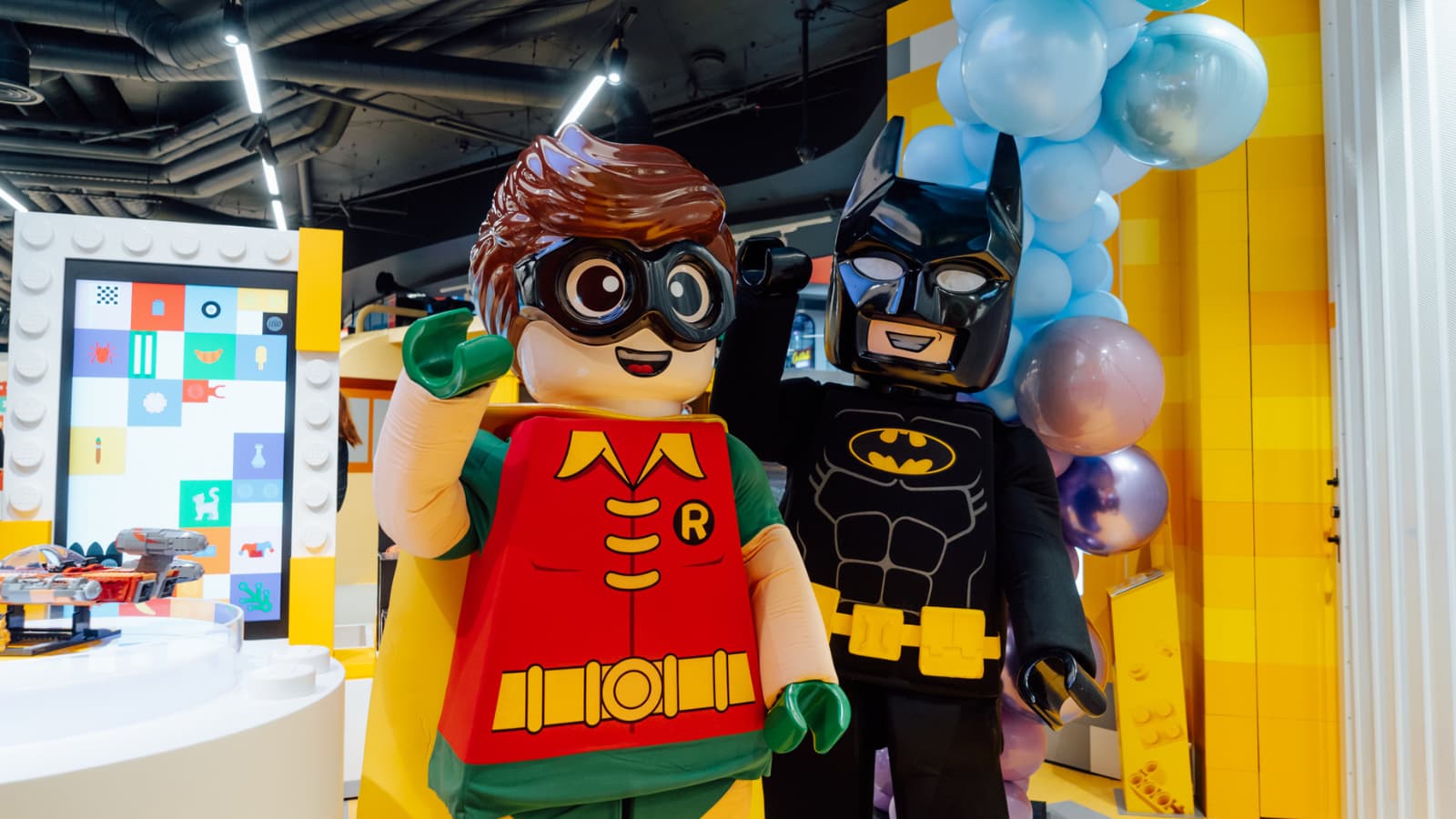
Example: When Bez Agency worked with LEGO, we didn’t just take product photos—we captured moments of imagination and play. From kids building epic creations to vibrant scenes in LEGO stores, every shot told a story.
Why it works:
- Emotional connection: People buy experiences, not just products. Lifestyle images make them feel it.
- Context matters: Shoppers instantly understand how the product fits into real life.
- Brand storytelling: Every photo reinforces LEGO’s playful, creative identity.
Pro tips:
- Keep it authentic—show scenarios your audience actually relates to.
- Maintain consistency in style to build brand trust.
- Show variety—different settings, angles, and users keep your content fresh and relatable.
Detail and close-up shots
In ecommerce, customers can’t physically touch your products, making close-up photography essential. High-resolution, detailed images allow potential buyers to inspect the quality, texture, and craftsmanship of your products, instilling confidence in their purchase decisions.

Example: Bez Agency’s collaboration with Ferrari Australasia exemplifies the power of detail and close-up photography in ecommerce. Our team captured the intricate details of Ferrari vehicles, highlighting the precision engineering and luxurious finishes that define the brand. From the gleaming prancing horse emblem to the polished rims and finely stitched interiors, every shot emphasised the meticulous craftsmanship that goes into each Ferrari.
Why it works:
- Builds Trust: High-quality close-up images demonstrate transparency and attention to detail, fostering trust with customers.
- Highlights Quality: Showcasing the finer details emphasizes the superior quality of the product, justifying its value.
- Enhances User Experience: Detailed images provide customers with a comprehensive view of the product, aiding in their decision-making process.
How to use close-up shorts:
- Focus on key features: Highlight unique design elements, textures, and finishes that set your product apart.
- Use proper lighting: Ensure even lighting to avoid shadows and reflections that can obscure details.
- Maintain consistency: Use consistent backgrounds and angles to create a cohesive look across your product images.
Group shots and product bundles
Group shots and product bundles aren’t just decorative—they’re strategic conversion tools. Showing multiple products together lets customers instantly see how items complement each other, making it easier to upsell and cross-sell without adding pushy language.
Why it works:
- Visual storytelling: When products are grouped thoughtfully, customers can immediately imagine how they’d use the items together. Think kitchen gadgets displayed as a full set, or fashion pieces styled as an outfit.
- Cross-selling made simple: Showing complementary products side by side naturally encourages customers to add more to their cart.
- Highlighting variations: If a product comes in multiple colours, sizes, or configurations, bundle shots make it easy to showcase options in a single image.
- Boosting average order value: Ecommerce brands who use bundle photography consistently see higher cart totals because customers perceive the value of “complete sets” versus individual items.
Pro tips:
- Keep it clean and uncluttered: Each product should be visible and distinct. Overcrowded shots confuse shoppers.
- Use consistent lighting and styling: Cohesive visuals make the products look like they belong together, reinforcing brand professionalism.
- Tell a story with placement: Arrange items in a way that guides the eye from one product to the next—creating a natural flow that encourages “add one more.”
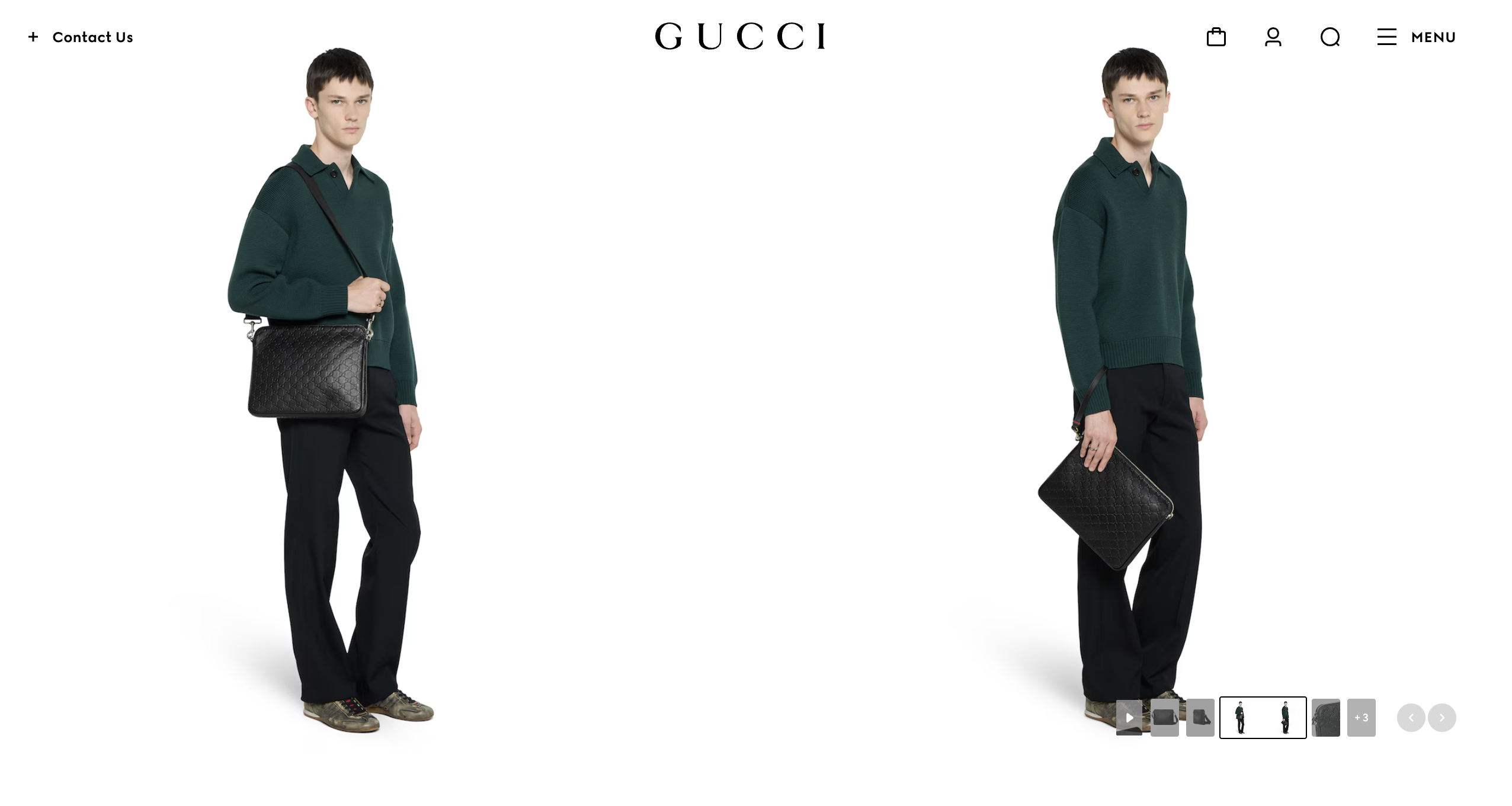
Example: Luxury fashion brands often photograph accessories with clothing, or shoes with bags, creating bundle shots that practically sell themselves.
The real cost of bad ecommerce photography
Bad product images don’t just look unprofessional—they cost you money at every stage of the funnel. In ecommerce, where first impressions happen in milliseconds, and weak visuals can tank your sales before a customer even scrolls down.
Conversions drop
Blurry, poorly lit, or inconsistent photos create doubt. Stores with low-quality images can see conversion rates fall by up to 32%, losing revenue on products you’ve already stocked and marketed.
Returns rise
Misaligned expectations lead to more returns, eating into profits and creating extra logistics work.
Ad performance suffers
Social media and paid search campaigns thrive on strong visuals. Low-quality images get skipped, lowering engagement and driving up costs.
Brand credibility takes a hit
In competitive markets like Sydney and Melbourne, customers compare your images to top-tier brands. Cheap-looking visuals make your brand feel cheap.
Even small improvements in image quality can pay for themselves quickly, boosting sales, reducing returns, and turning every click into an opportunity.
DIY ecommerce product photography: getting professional results at home
Not ready to hire? Here’s how to get the best results possible yourself.
Essential equipment setup
- Camera: DSLR, mirrorless, or high-end mobile.
- Tripod: Keeps shots stable and consistent.
- Backdrop: White sweep, lightbox, or smooth surface for clean images.
- Lighting: Softboxes, LED panels, or natural light.
- Reflectors/Diffusers: Soften shadows and control light.
Styling & composition
- Diagonal and leading lines: Direct focus to the product.
- C-composition & rule of thirds: Balanced, clean visuals.
- Props: Only enhance, never distract.
- Colour harmony: Backgrounds and props should complement the product.
Lighting mastery
- Natural light: Morning or late afternoon for soft, even lighting.
- Soft vs hard light: Use diffusers for gentle shadows; avoid harsh contrasts.
- Reflectors: Fill in shadows without adding extra light sources.
Technical camera settings
- Aperture: f/5.6–f/11 for depth and sharpness.
- Depth of field: Keep the product fully in focus.
- Stability: Remote shutter or timer prevents blur.
- ISO: Low (100–400) for clean, sharp images.
Post-production
- White balance: Ensure colours are true-to-life.
- Brightness & contrast: Make the product pop.
- Sharpening & saturation: Highlight features without overdoing it.
- File optimisation: Compress for web without quality loss.
- Format & mobile versions: JPEG for web, create responsive versions for mobile.
Even DIY setups need attention to detail—without it, your images will cost more in lost sales than they save in production costs.
When to hire professional ecommerce photographers
You know it’s time to hire a professional ecommerce photographer when the stakes are too high to risk amateur results. If your products are high-value—think luxury watches, designer handbags, or premium electronics—every detail matters.
A single blurry image or inconsistent lighting can make a customer hesitate, and in ecommerce, hesitation often becomes abandonment.
And, complex products demand expertise. Items with multiple components, intricate textures, reflective surfaces, or delicate materials require technical precision to showcase their quality accurately. A smartphone snapshot just won’t cut it.
Large catalogs create a different challenge: consistency. When you have dozens—or even hundreds—of SKUs, maintaining a cohesive brand look across all images is crucial. Inconsistent lighting, background, or styling can make your store feel chaotic, even untrustworthy.
Choosing a professional photography partner
Not all photographers are created equal when it comes to ecommerce. Look for:
- Ecommerce portfolios: Proven experience with Shopify, Amazon, or Google Shopping-ready images.
- Platform knowledge: Understanding of cropping, sizing, and formatting for each sales channel.
- Post-production expertise: Retouching, colour correction, and file optimisation included.
- Scalability: Ability to handle large catalogs or repeated seasonal shoots.
- Transparent pricing & usage rights: Full clarity on where and how images can be used—web, social, and print.
Bez Agency has delivered ecommerce photography for Ferrari, GUESS, Lamborghini, National Geographic Australia, and LEGO. Every project focused on producing images that convert, whether for Shopify stores, high-end social campaigns, or immersive lifestyle content.
The ROI of professional photography
Investing in professional ecommerce photography is one of the smartest revenue-generating moves a business can make.
Even a 20% increase in conversion on a product line generating $10,000 per month adds $2,000 per month, or $24,000 annually. Spend $5,000 on photography and you’re looking at a 380% ROI—and that’s before factoring in reduced returns, faster product launches, and a stronger, more trustworthy brand presence.
Partner with Melbourne’s ecommerce photography experts
When it comes to ecommerce, your visuals can make or break sales. That’s why working with a local expert who understands the Melbourne and Sydney markets is crucial. Bez Agency provides end-to-end ecommerce photography and videography services, from creative strategy to shooting, post-production, and optimisation.
We’ve delivered proven results for premium brands including Ferrari, GUESS, Lamborghini, National Geographic Australia, and LEGO. Our approach ensures every image not only looks stunning but performs commercially, whether it’s for your Shopify store, Amazon listing, social campaigns, or advertising.
With a full-service workflow, you get a single partner managing strategy, production, and post-production, maintaining brand consistency across all channels. Every shot is optimised to sell, telling your brand story while boosting conversions.
Bez Agency isn’t just a photography provider—we’re a strategic partner for businesses that demand results.
Stop losing sales to amateur images and work with a team that knows how to craft visuals that truly convert.
FAQs
What’s the difference between regular and ecommerce photography?
Regular photography focuses on mood and aesthetics. Ecommerce photography prioritises clarity, consistency, and platform specs to drive online sales.
How many product photos do I need?
5–8 angles per SKU, plus 1–2 lifestyle shots. Show variants, colours, or bundles as needed.
What image sizes work best for products?
2,000 px on the longest side for zoom, compressed <300 KB for web. Shopify and Amazon have minimum dimension requirements.
Should I use white background or lifestyle photography?
White backgrounds for clarity and marketplace compliance. Lifestyle images for engagement, context, and aspiration. Both work together for maximum conversion.